
A smart home is one of the few parts of a luxury project that has to keep working, and keep being looked after, for years after the builders leave. Yet integrators are often chosen on a quote alone. The questions below tell you far more than a price ever will: they reveal how a partner thinks, how they work with the rest of your team, and how the system will hold up long after handover.
1. When do you get involved?
The best answer is: as early as possible. An integrator brought in at first-fix is reduced to chasing cables through walls that are already going up. One involved at design stage can coordinate with the architect, interior designer and M&E team so that infrastructure, containment and control positions are designed in, not retrofitted around finishes. Early involvement is the single biggest predictor of a calm, well-resolved project.
2. Who is accountable?
A modern home touches lighting, climate, AV, security, networking and shading, disciplines that usually sit with different trades. Ask who owns the whole picture. One coherent system needs one accountable partner who will stand behind how it all works together, rather than a patchwork of suppliers pointing at one another when something doesn't.
3. How will it be serviced and supported?
Installation is the beginning, not the end. Ask what happens at 11pm on a Friday when something stops working, is there proactive monitoring, remote support, a named contact, a response time? The answer tells you whether you are buying a product or a long-term relationship.
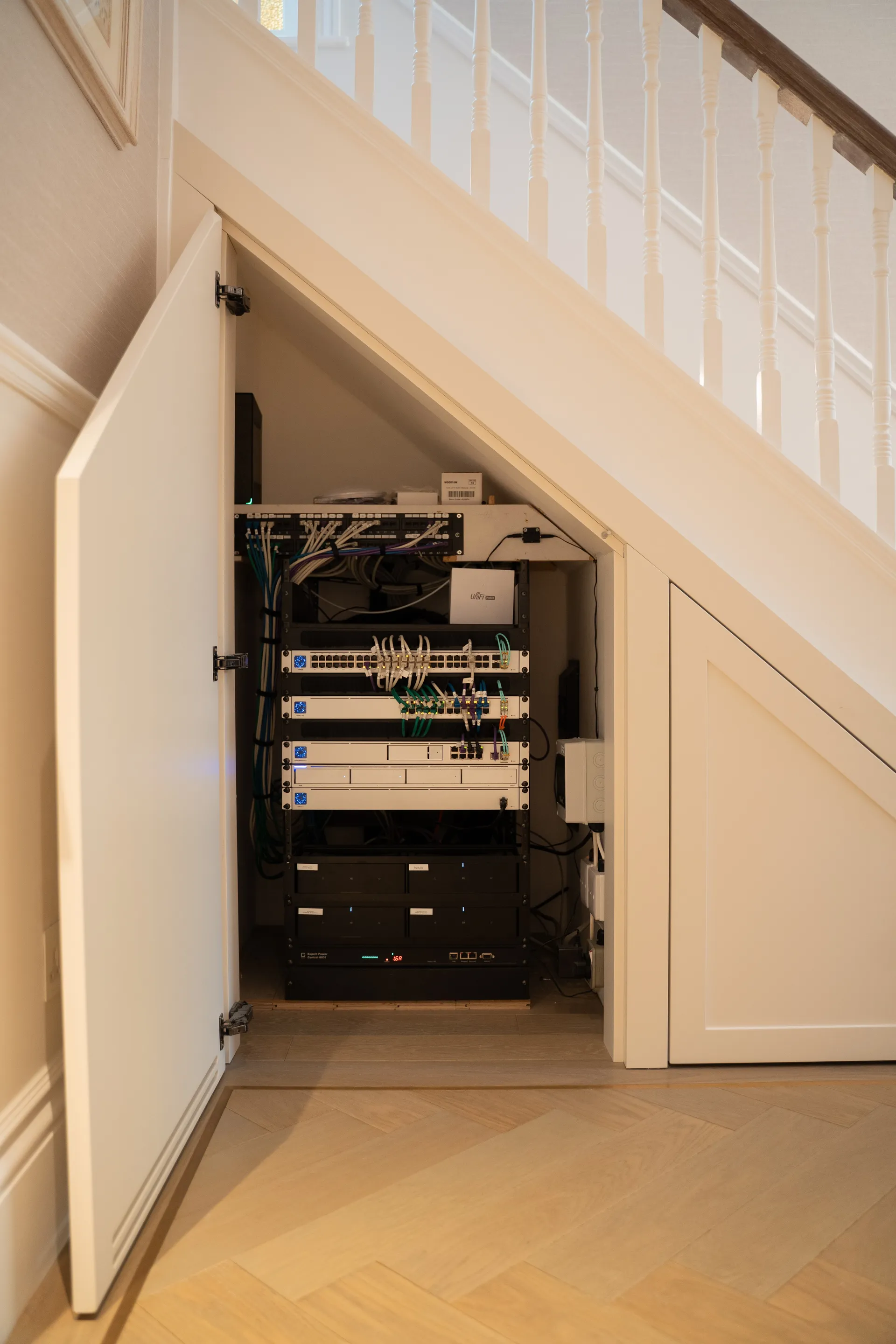
4. Can we see a finished installation?
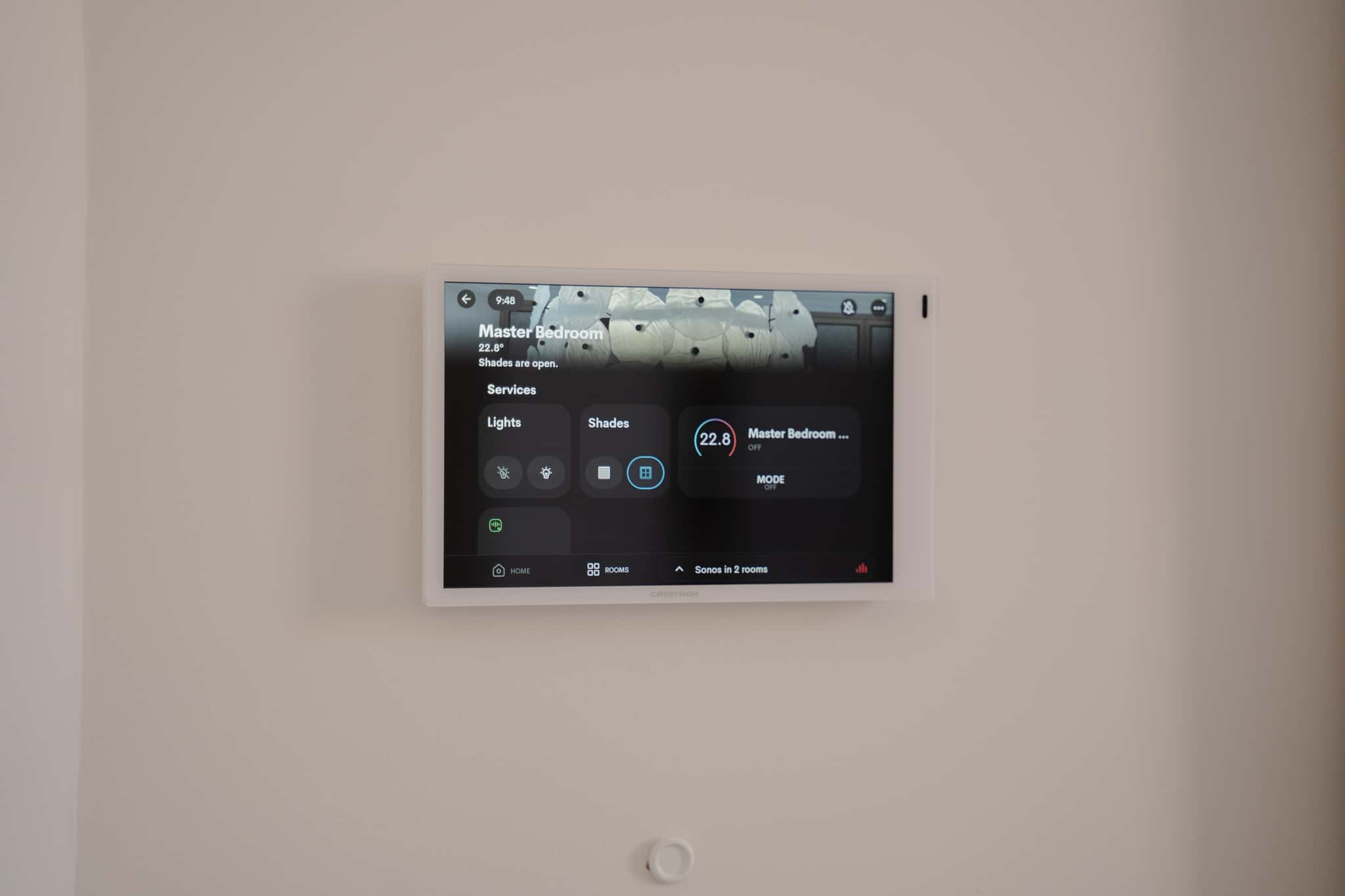
A good integrator will happily show you completed work, and, tellingly, the parts a client never sees. A tidy, labelled, well-documented rack is the clearest evidence of an engineer who cares about serviceability and longevity, not just the showpiece interface on the wall.
5. What happens as the technology moves on?
Homes outlive technology. Ask how the system is designed to evolve, whether the infrastructure has headroom, how upgrades are handled, and how the integrator keeps a system current rather than obsolete. Future-proofing is less about any one product and more about how thoughtfully the foundations are laid today.
We start with the client's needs and work back from there, every time.
Imperium
There is no single right answer to any of these, but the way a partner responds will tell you whether you are dealing with installers or with engineers who will look after your home for the long term. If you are planning a project and would like to talk it through, we would be glad to help.