For most of human history, light meant the sun: cool and bright at midday, warm and low at dusk, absent at night. Our bodies evolved to read that rhythm, and modern interiors, lit to a flat, constant brightness from morning to midnight, quietly work against it. Circadian, or human-centric, lighting sets out to put that rhythm back into the home.
Light and the body clock
Deep in the brain, the body's master clock keeps the day in order, governing sleep, alertness, hormone release, digestion and mood. Its single most powerful cue is light. Specialised receptors in the eye, separate from those we see with, respond particularly to bright, blue-rich light: they tell the brain it is daytime, suppressing the sleep hormone melatonin and lifting alertness. As light dims and warms toward evening, melatonin is allowed to rise and the body begins to prepare for rest.
The trouble is that bright, blue-rich artificial light late in the evening sends the opposite signal, daytime, long after the sun has gone down. Over time, a body clock pulled out of step with the day has been associated with poorer sleep, lower daytime energy and a flatter mood.
What the research tells us
A growing field of research into light and health points consistently in one direction: the timing, intensity and colour of the light around us measurably affects how we sleep, focus and feel. Bright, cooler light in the morning and through the day is linked to better alertness, concentration and mood; warmer, dimmer light in the evening supports the natural wind-down toward sleep. The principle has moved from laboratories into schools, hospitals and workplaces, and, increasingly, into the home, where we spend most of our lives.
Designing light that follows the sun
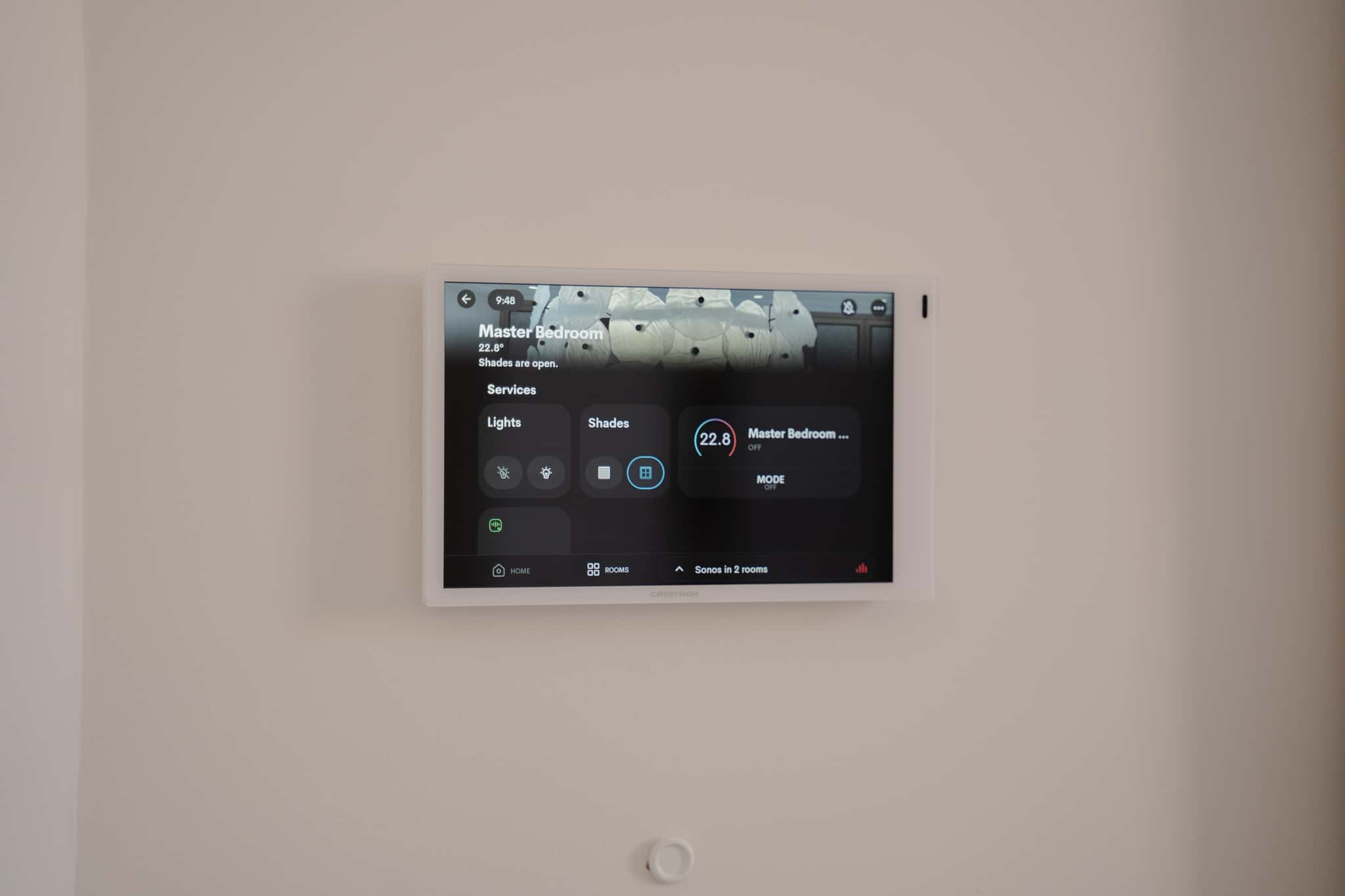
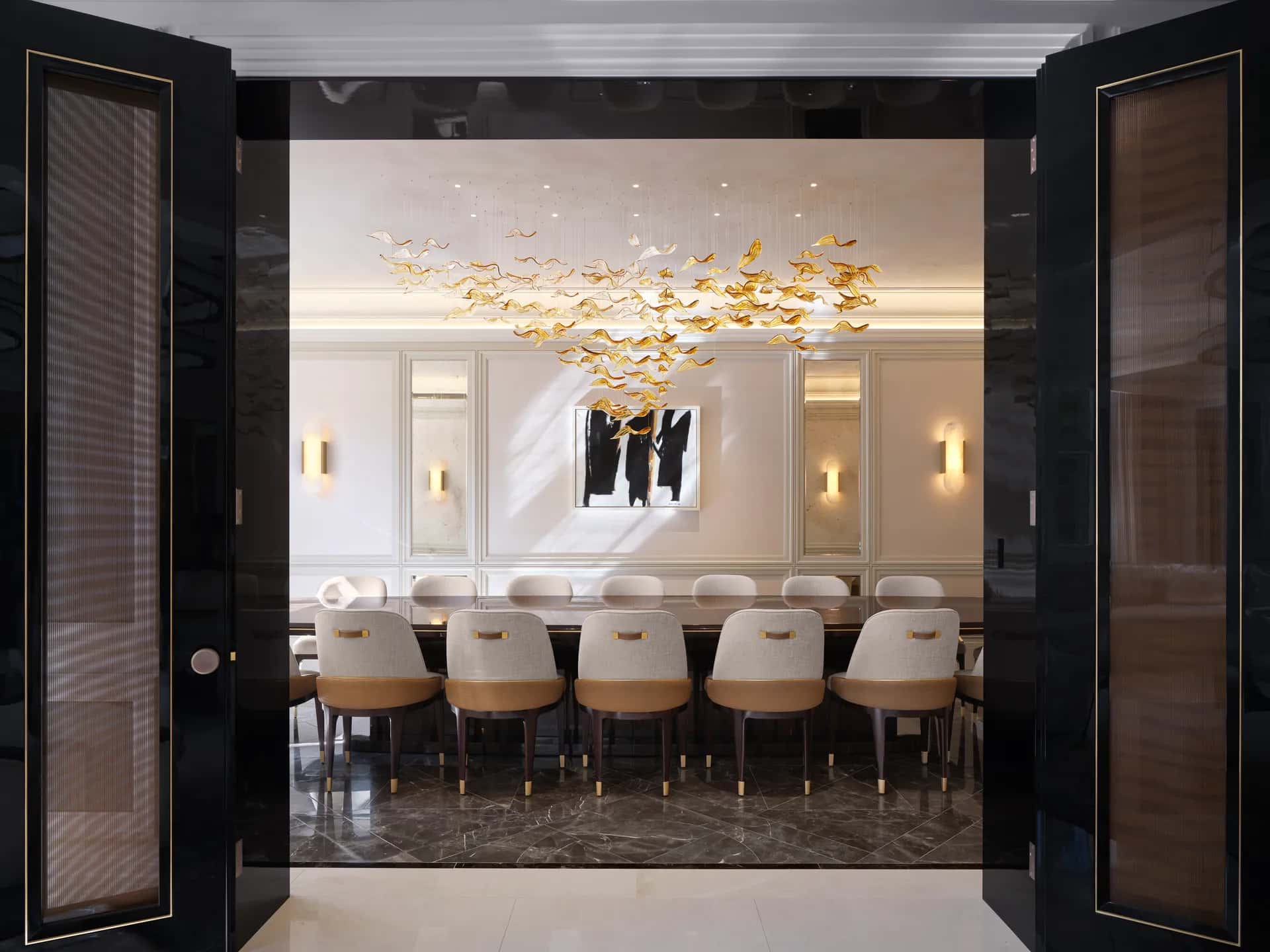
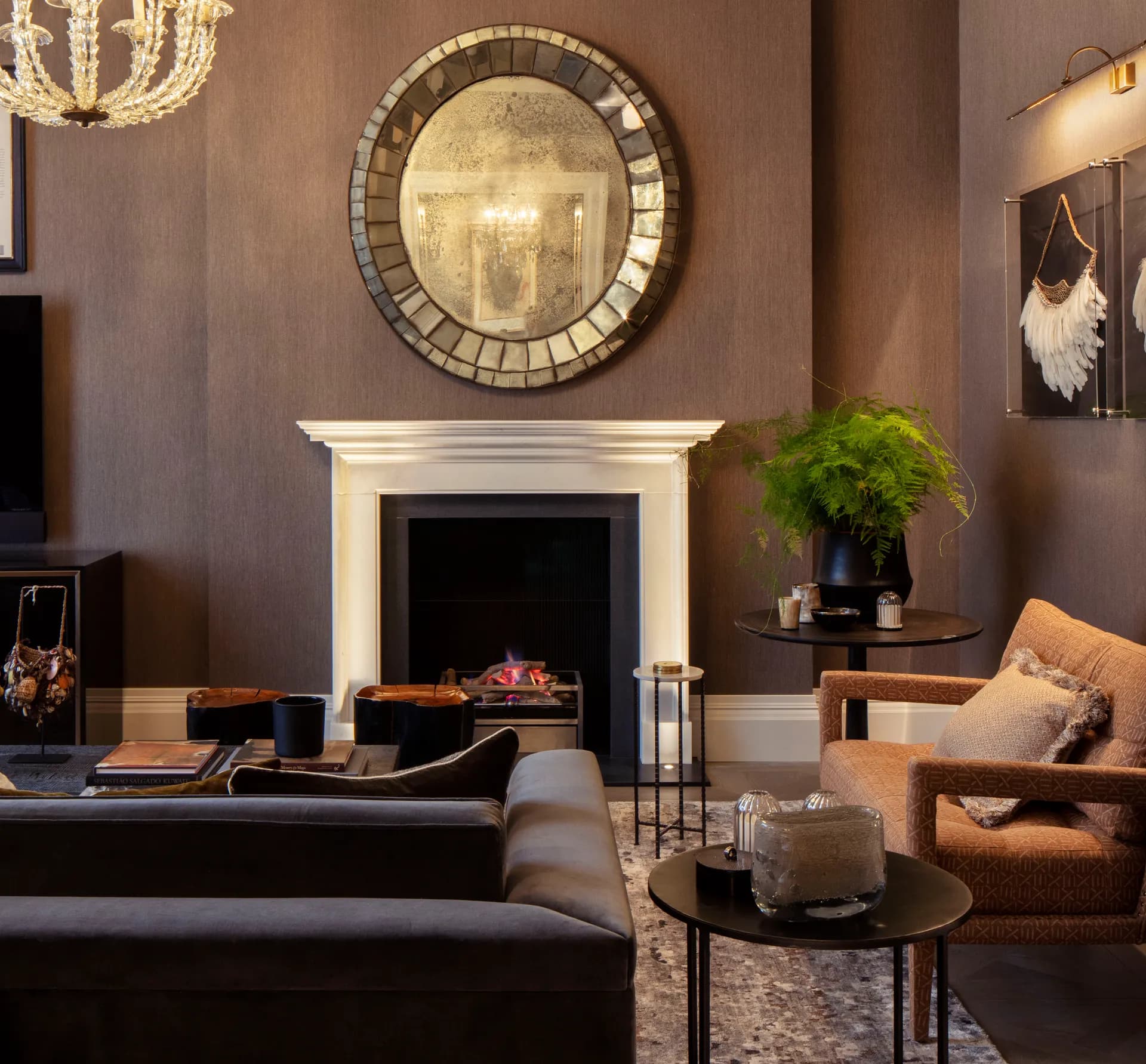
Delivering this well is an engineering and design challenge, not a single product. It begins with tunable-white fittings that can shift from crisp daylight to candle-warm, layered carefully so that ambient, task, accent and feature light each play their part. Automated blinds and curtains then work with the daylight rather than against it, drawing in cool morning light, tempering harsh midday sun, and closing down as the evening softens.
Above all, it has to be effortless. The scenes change gently and automatically through the day, so the home simply feels right at breakfast, at work, at dinner and before bed, without anyone reaching for a switch. That is the difference between lighting that is merely controllable and lighting that genuinely looks after the people in the room.
The best lighting is never noticed, it simply makes every hour of the day feel as it should.
Imperium
Circadian lighting is one of the clearest examples of technology earning its place in a luxury home, not as a gadget, but as something that quietly improves how it feels to live there, hour by hour.